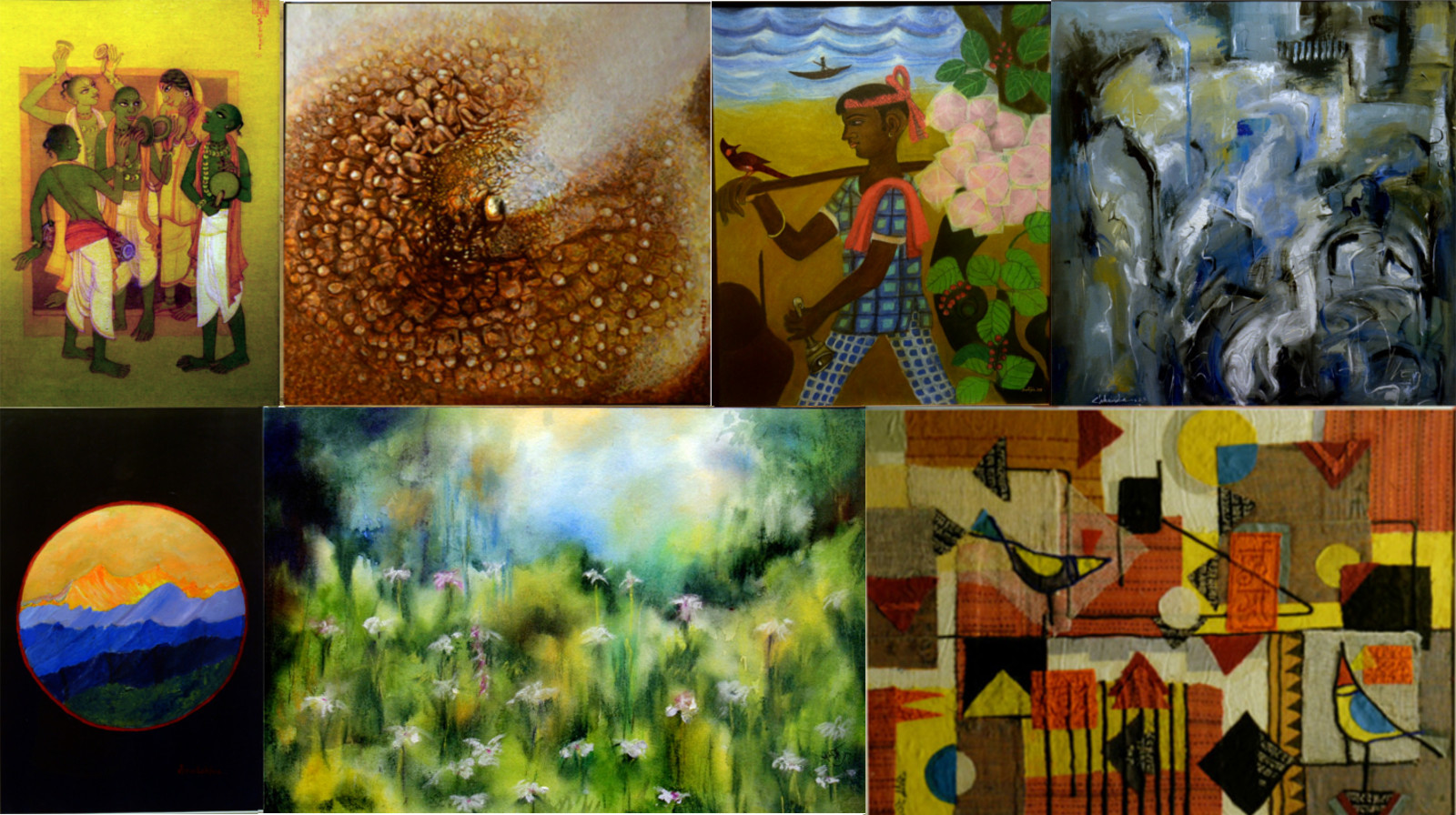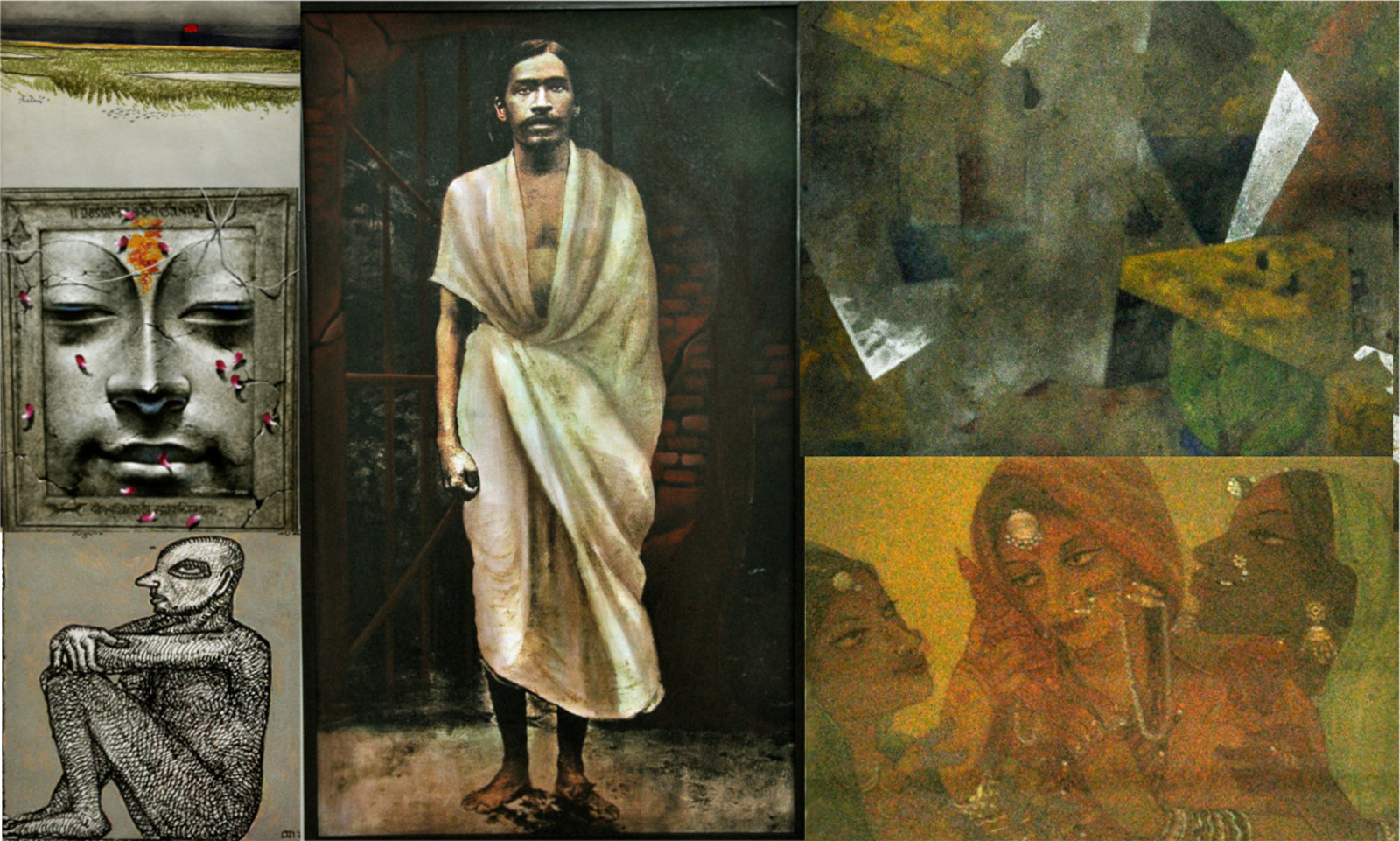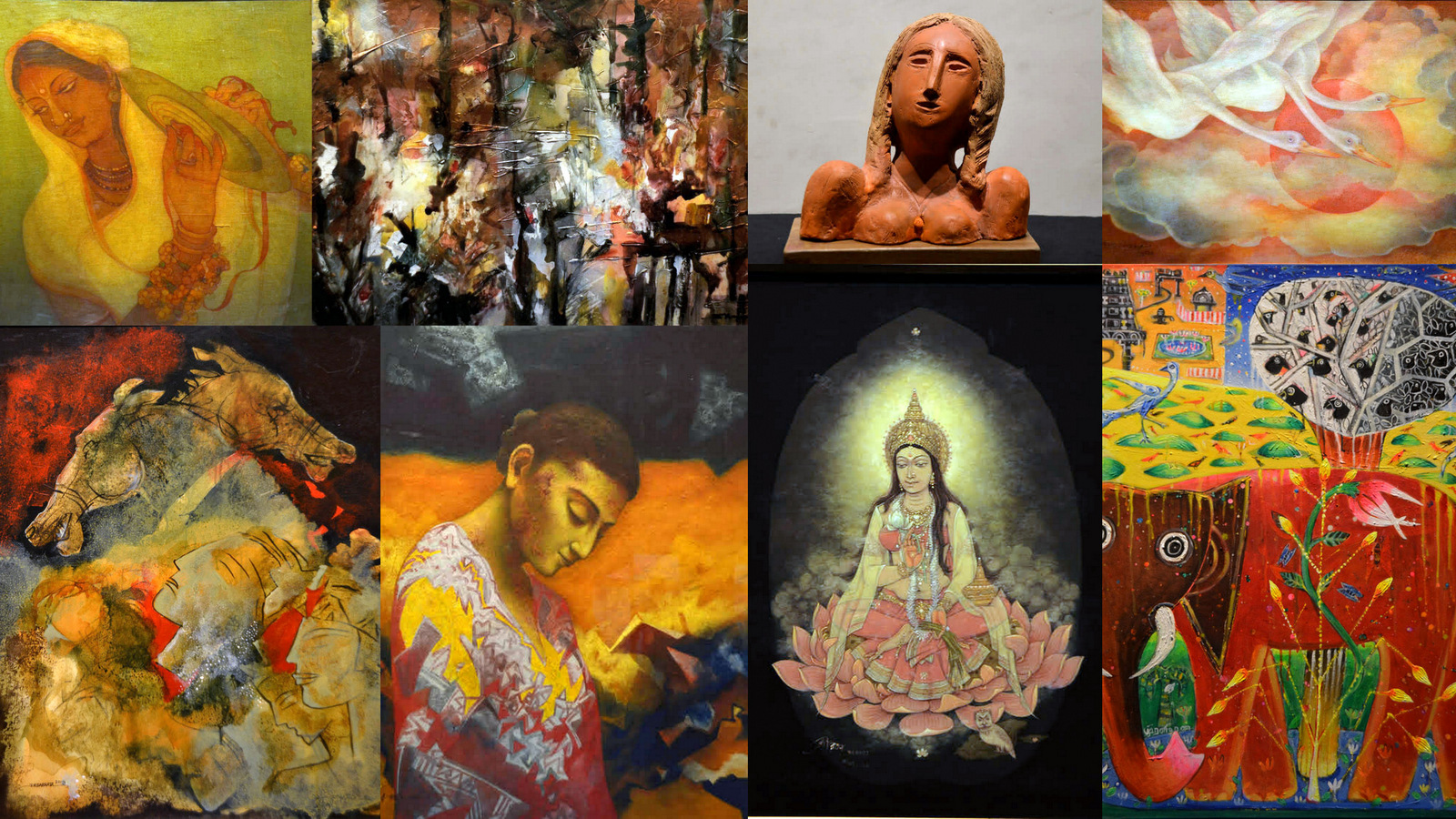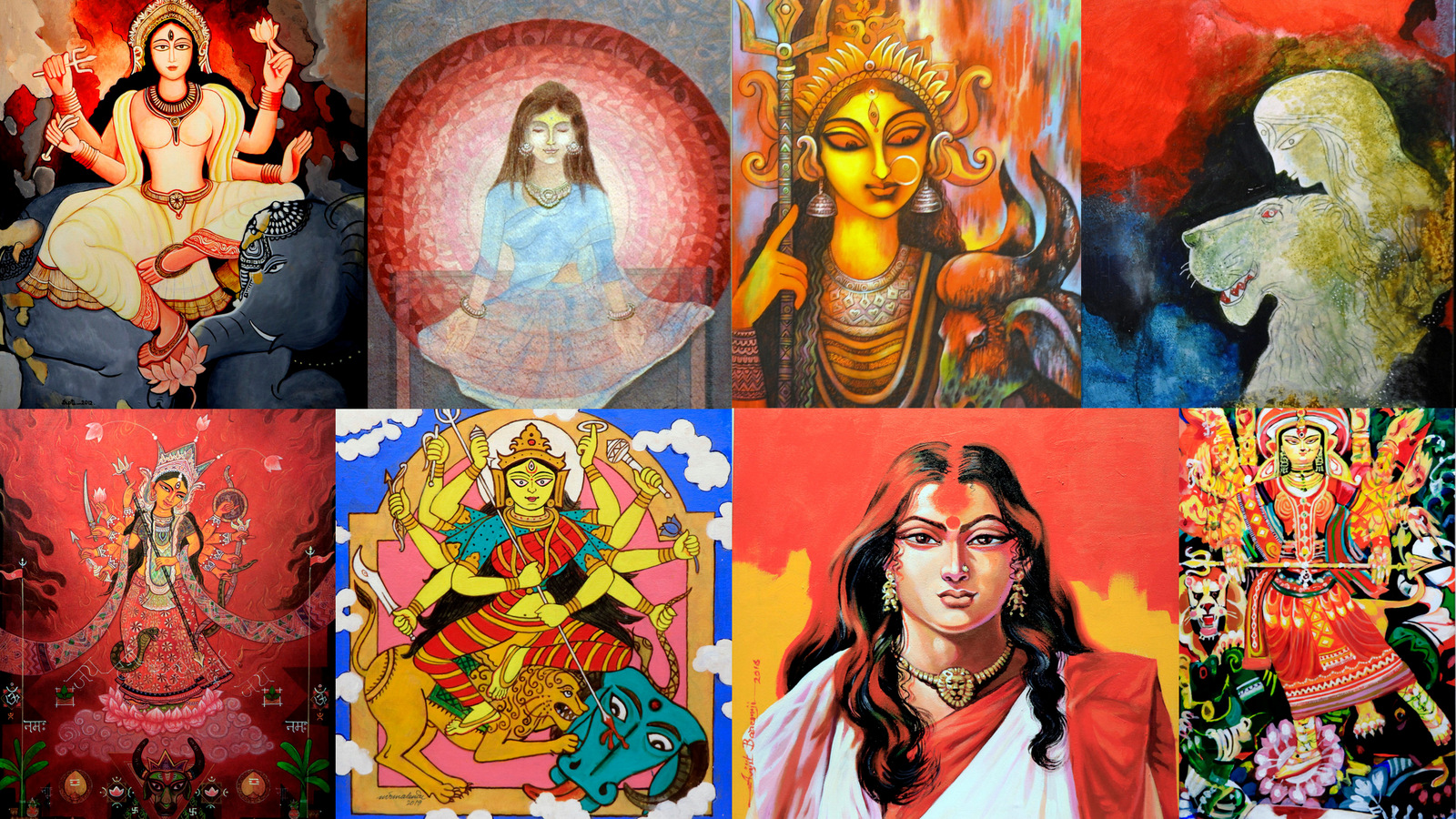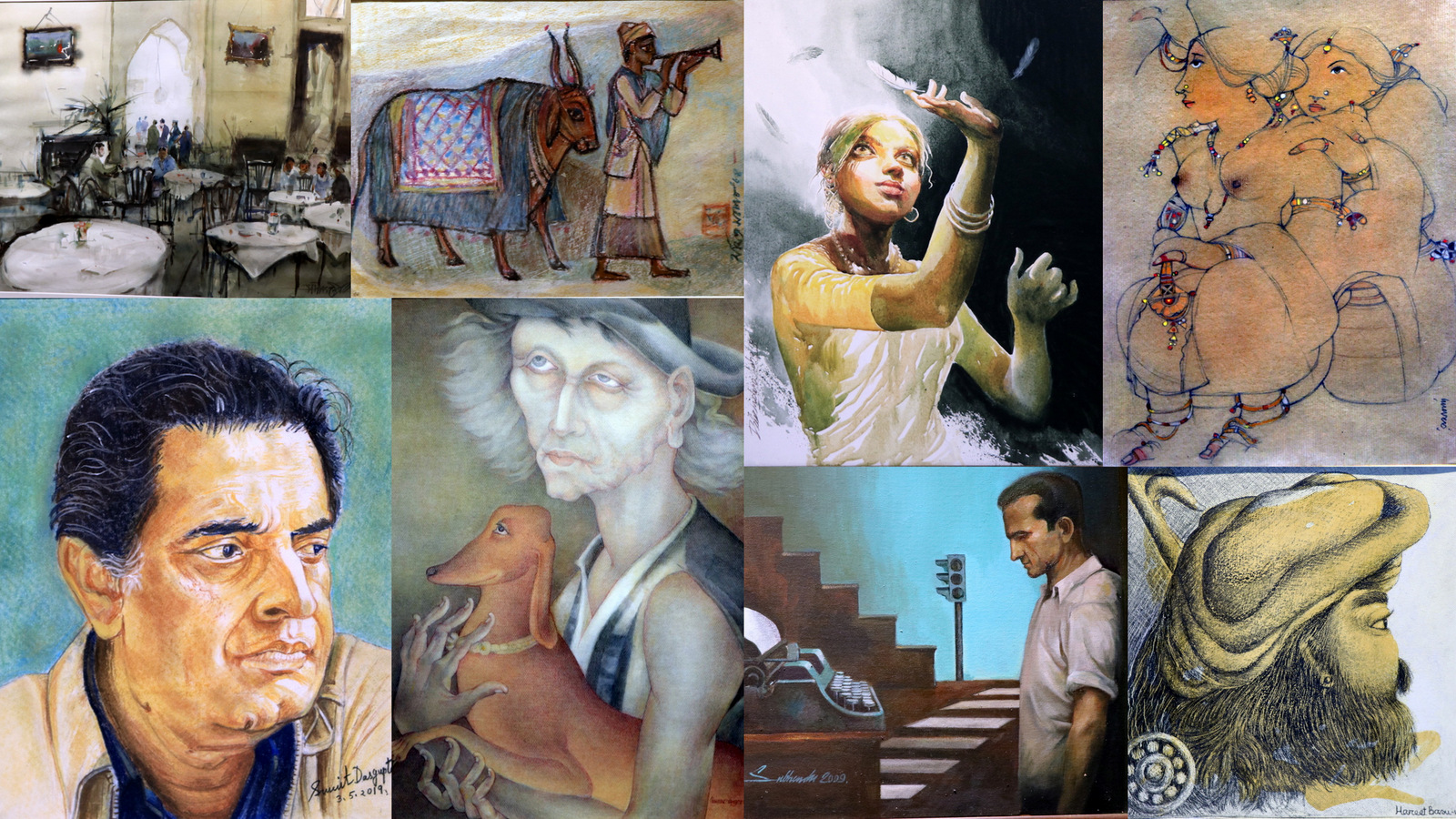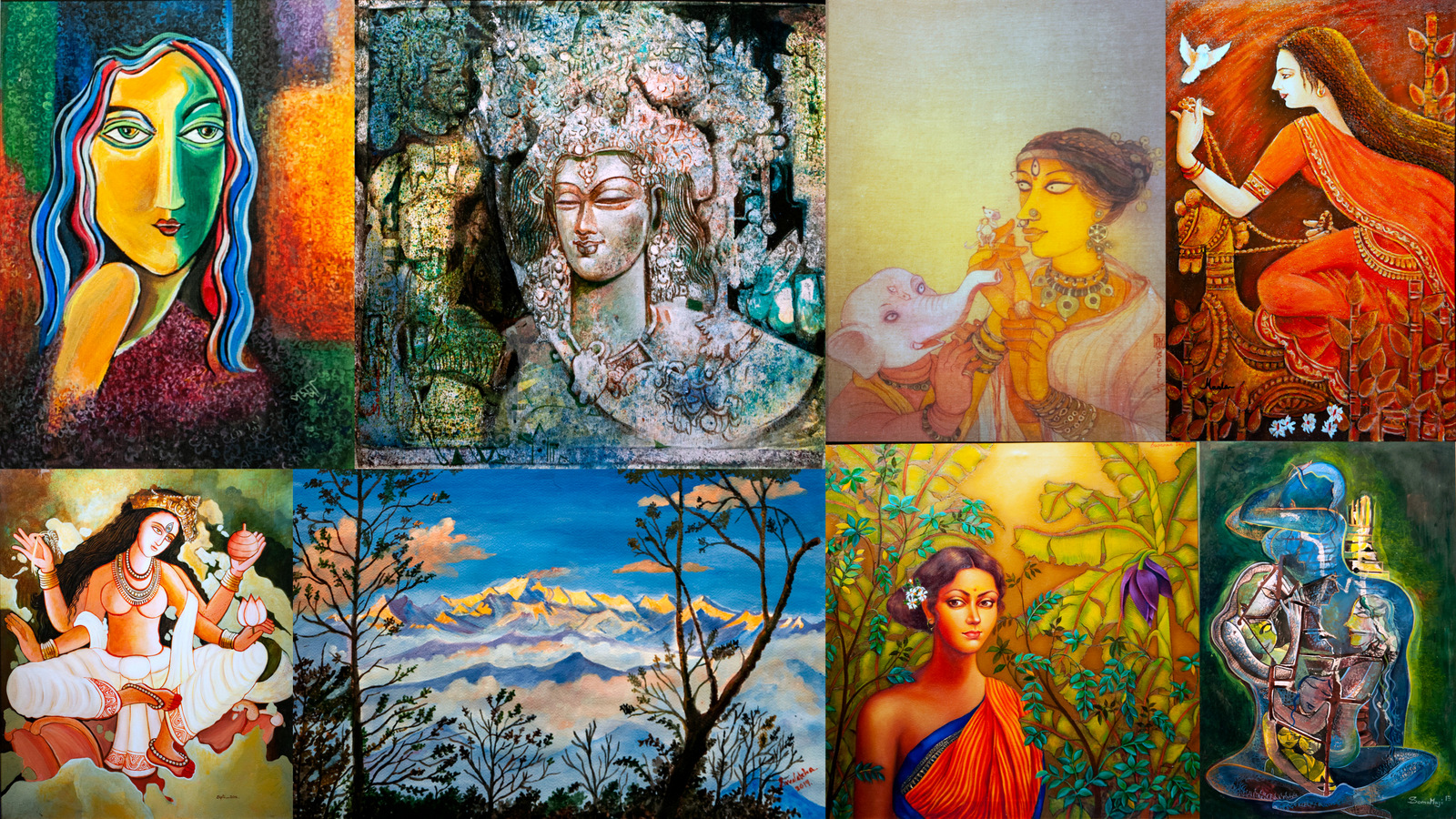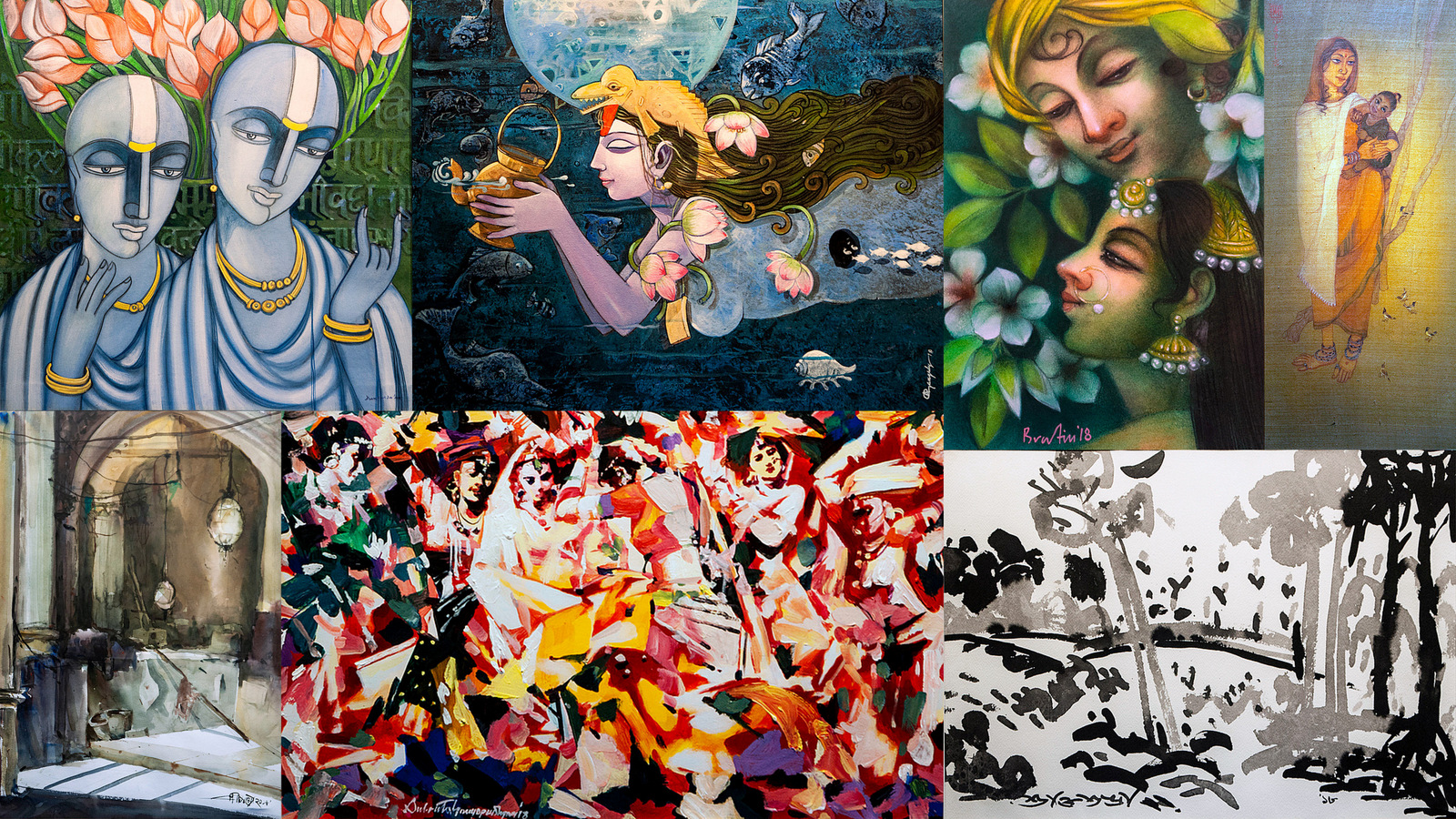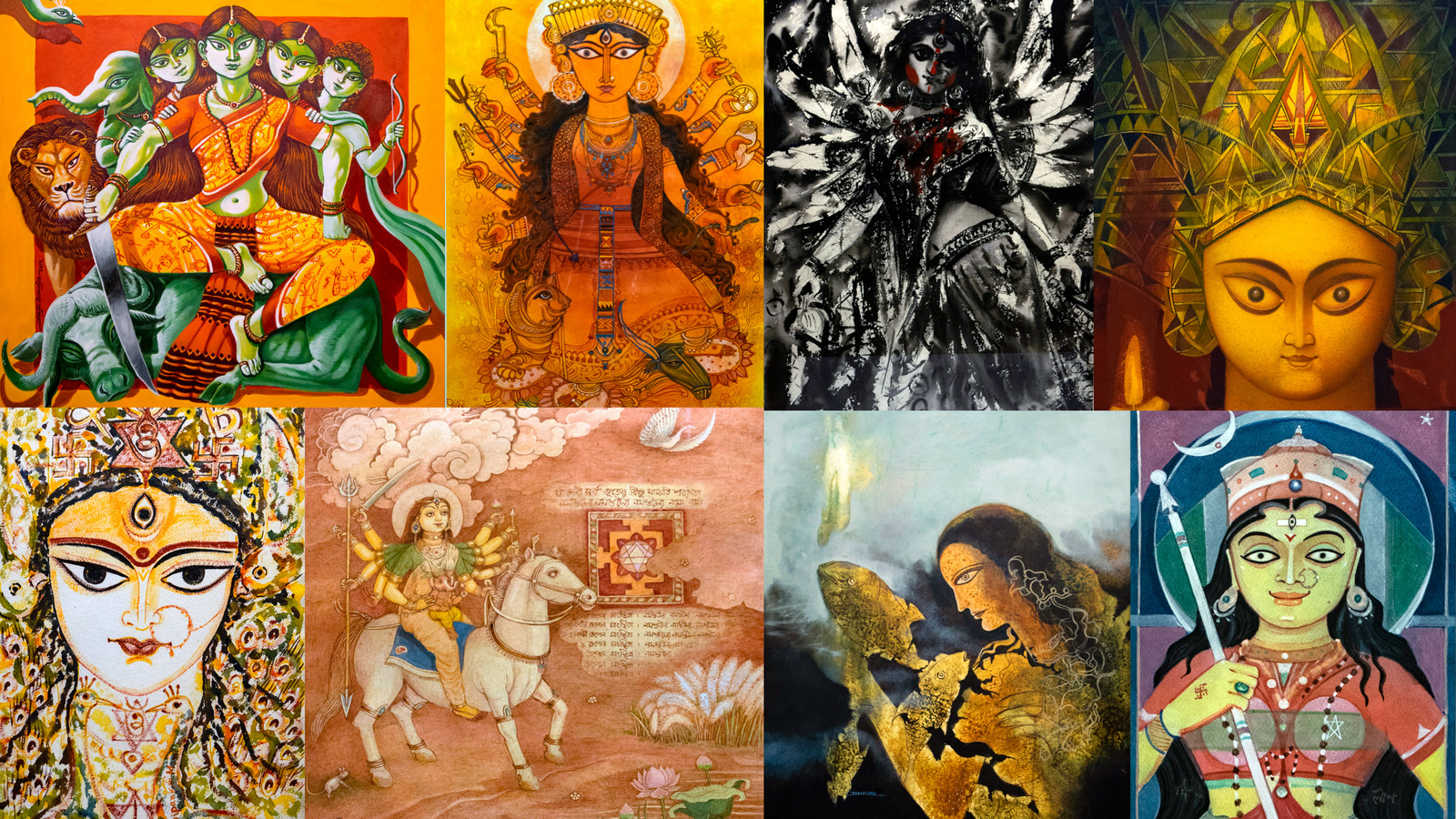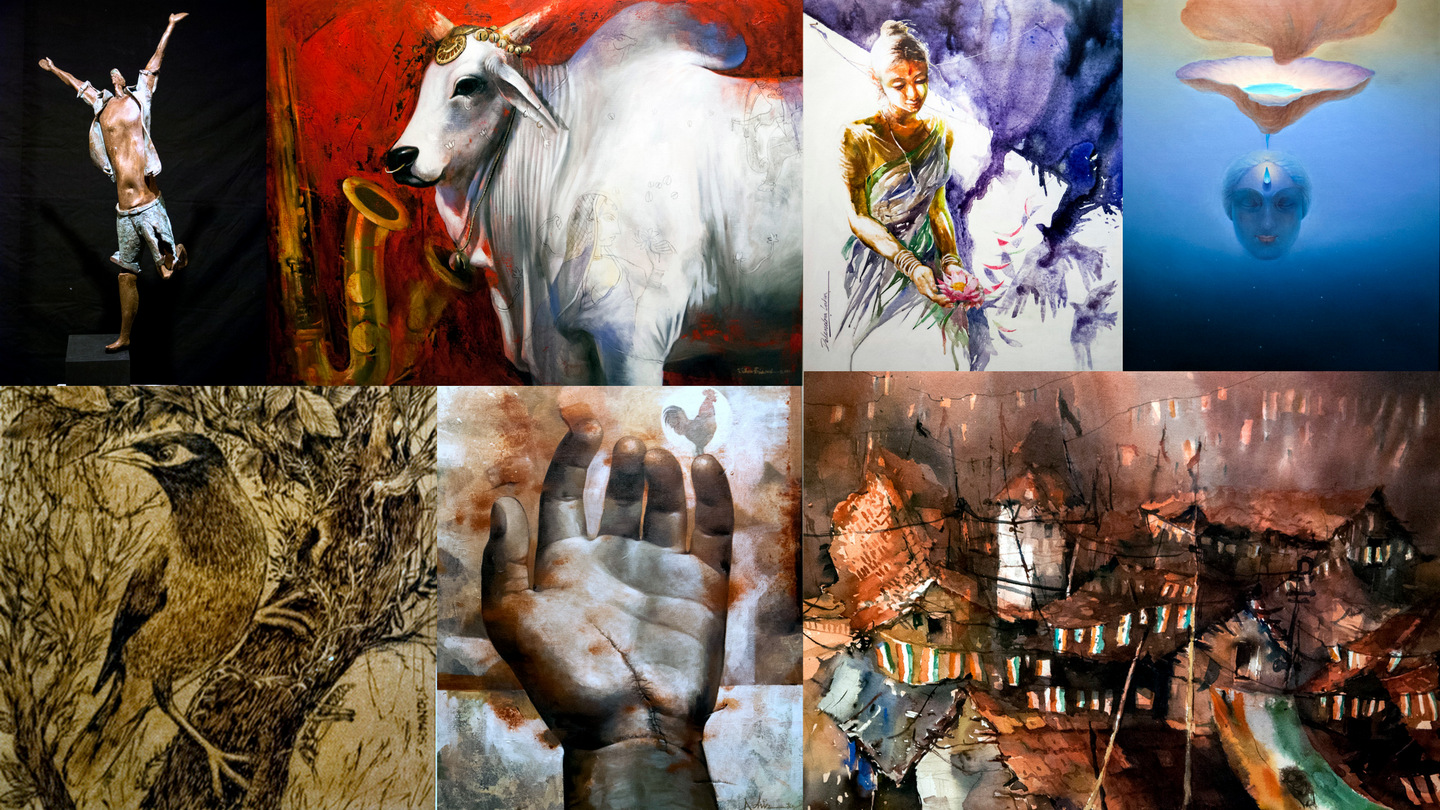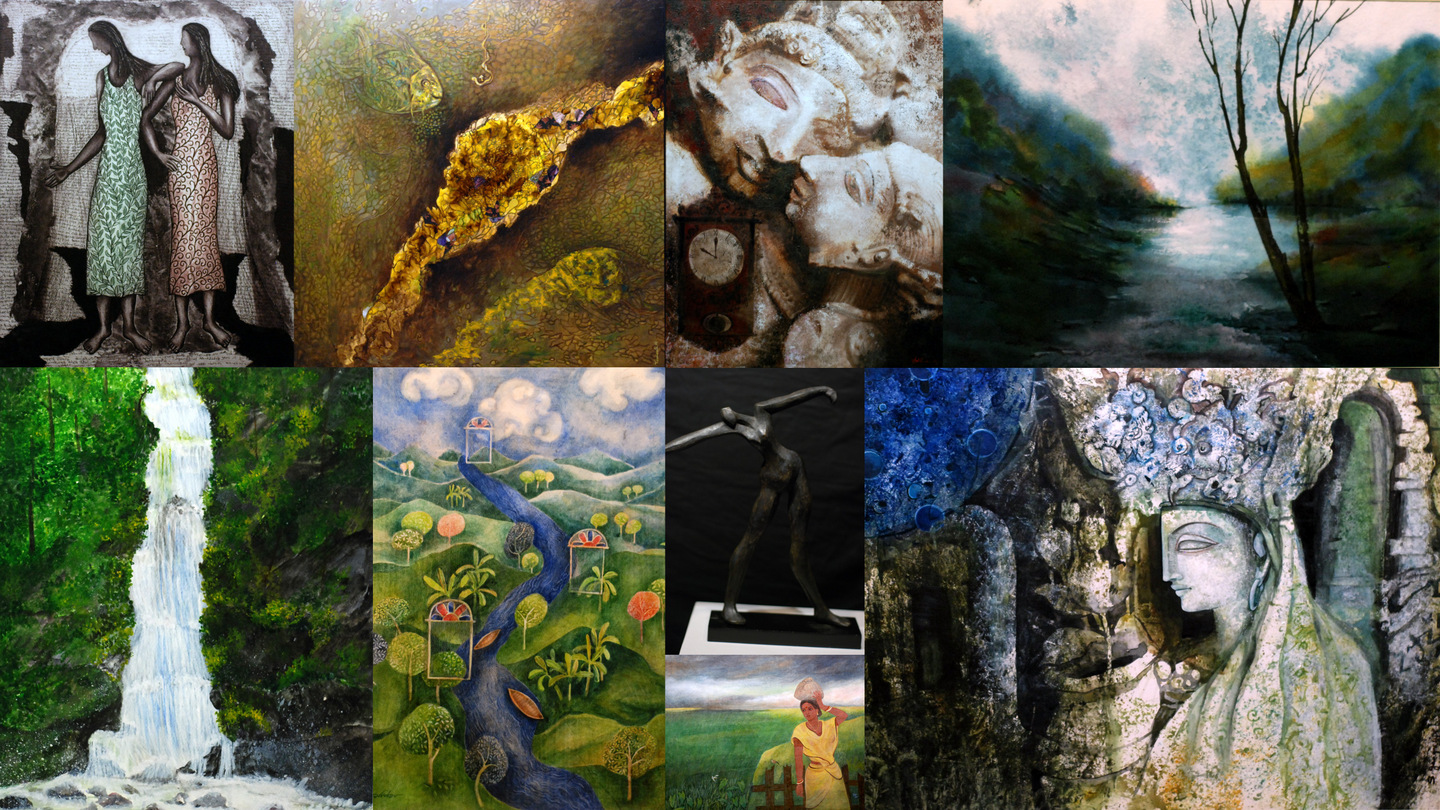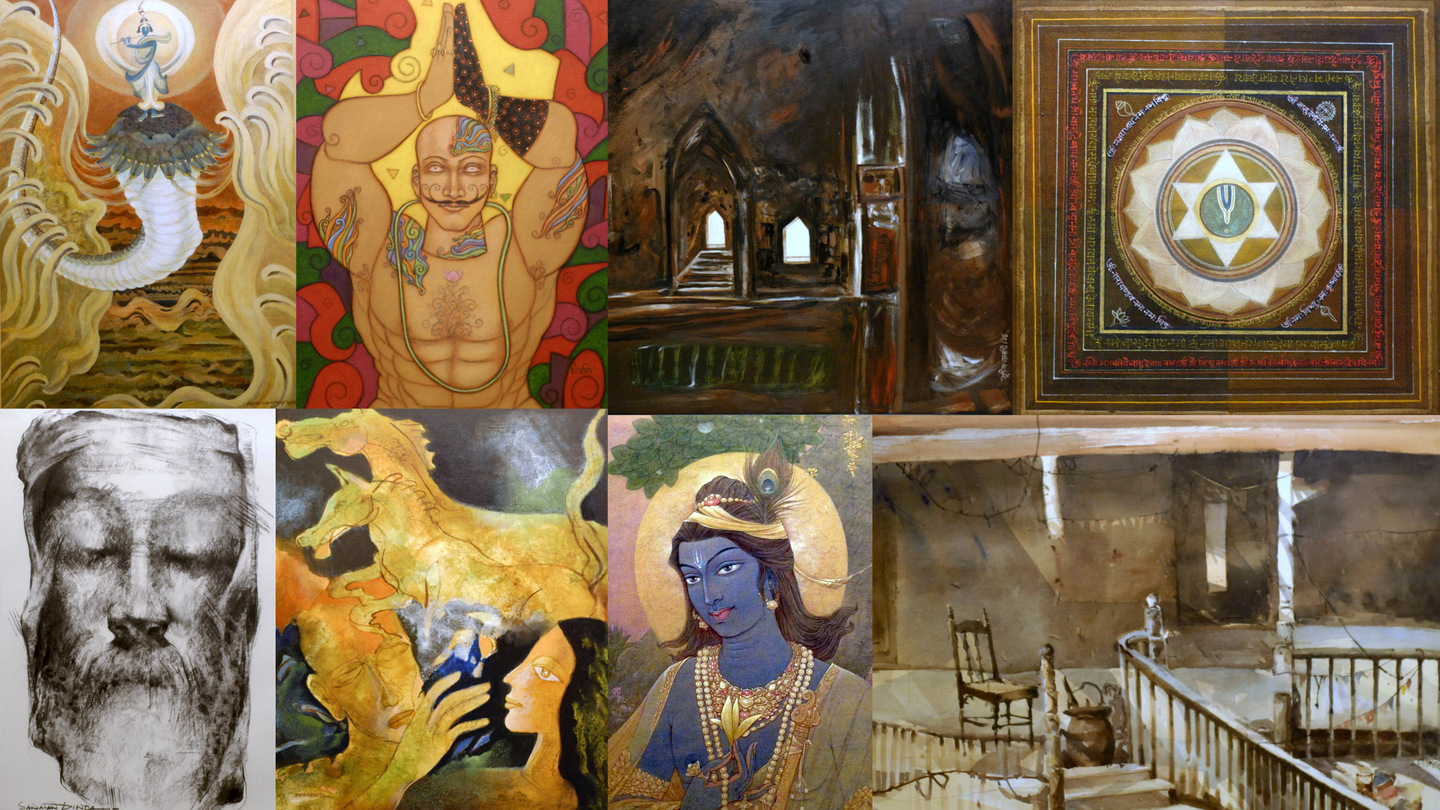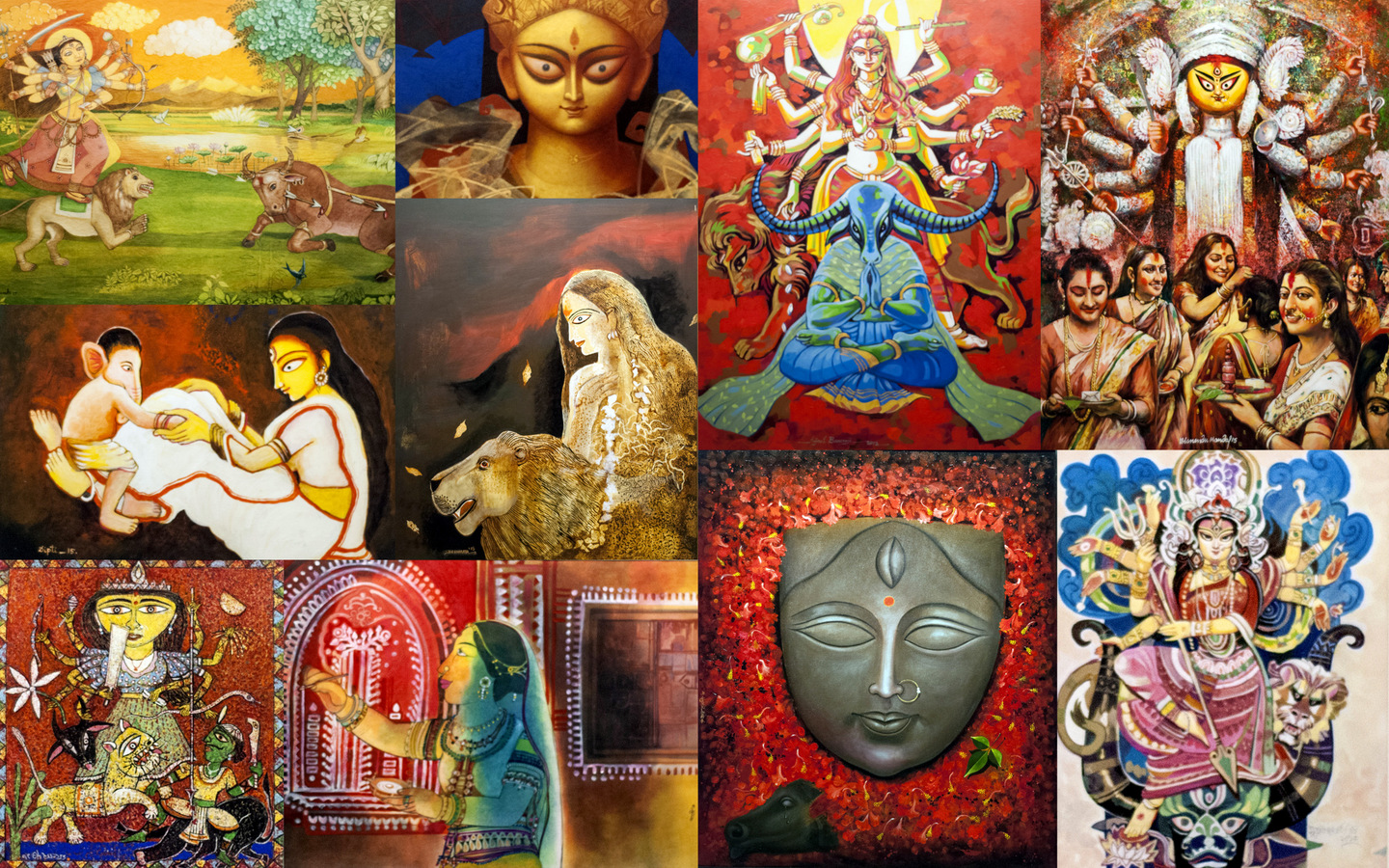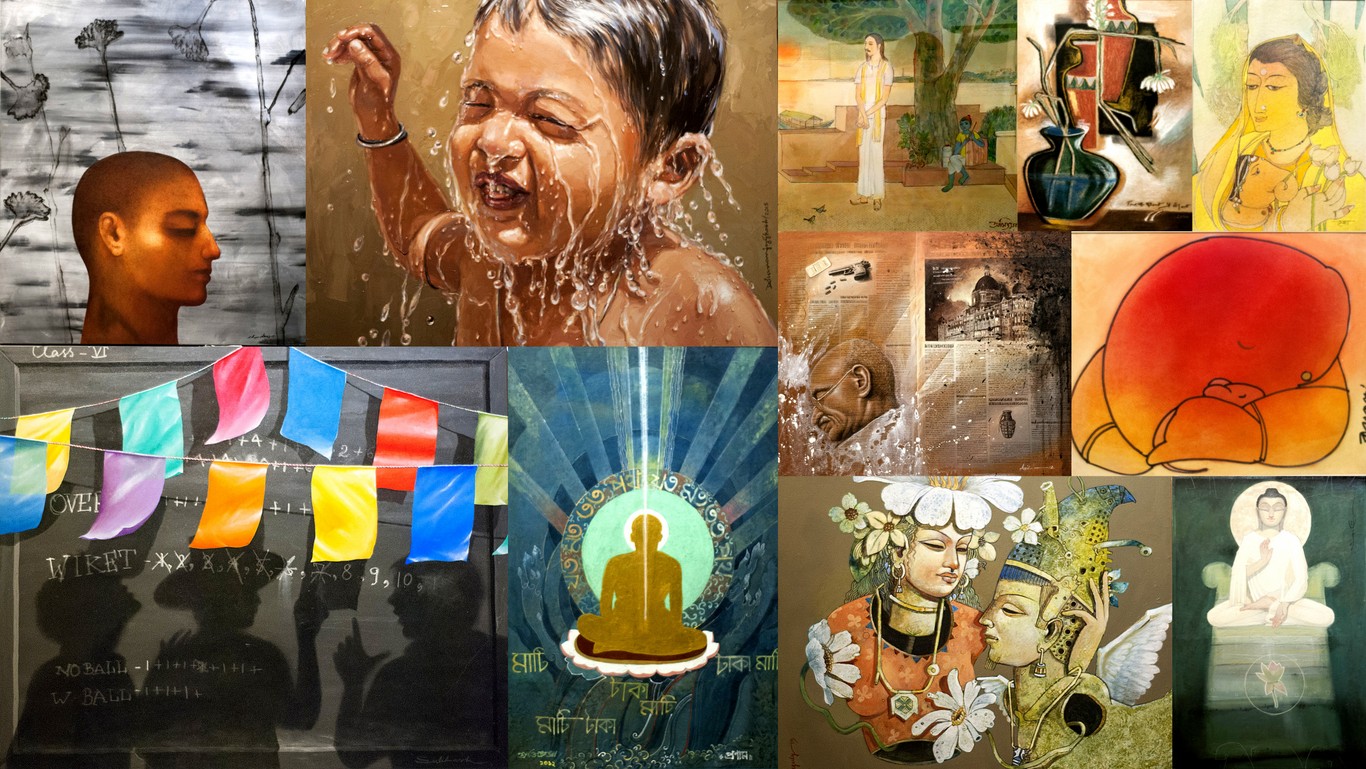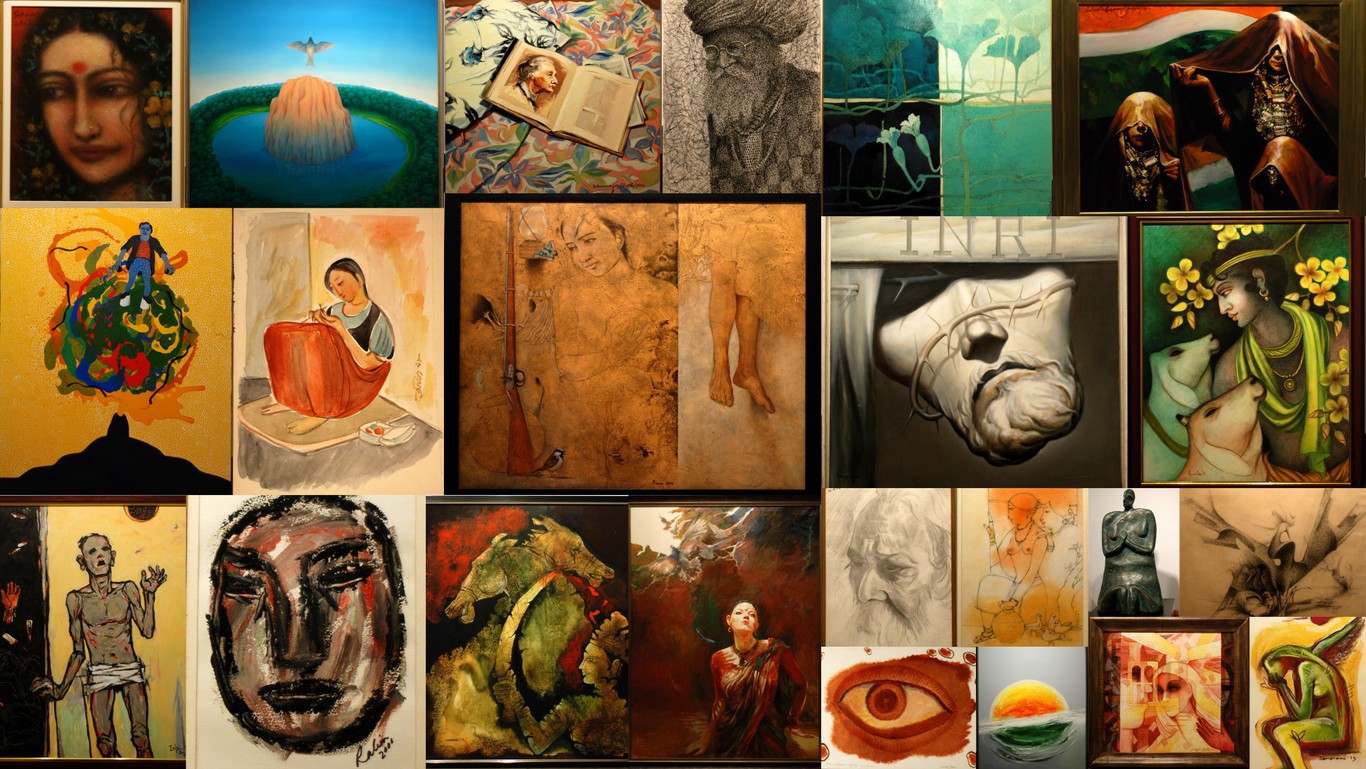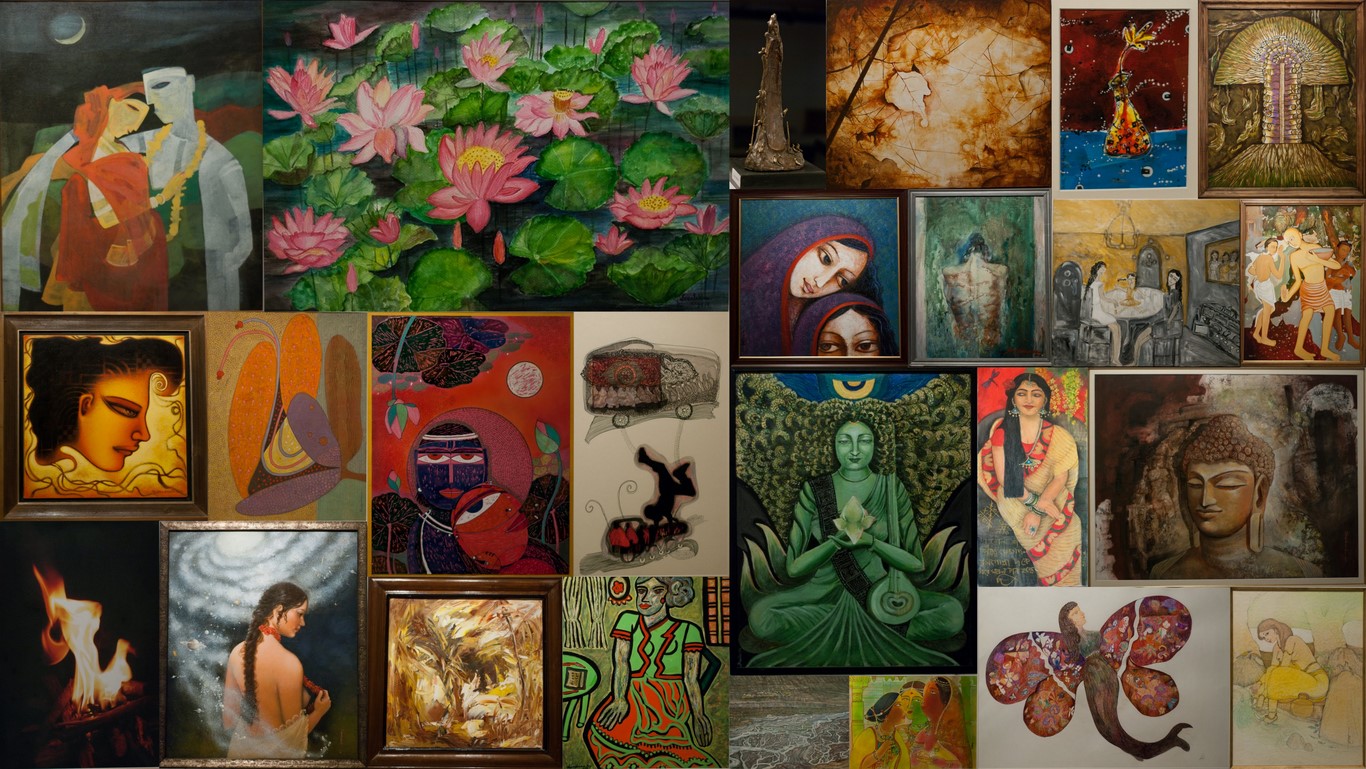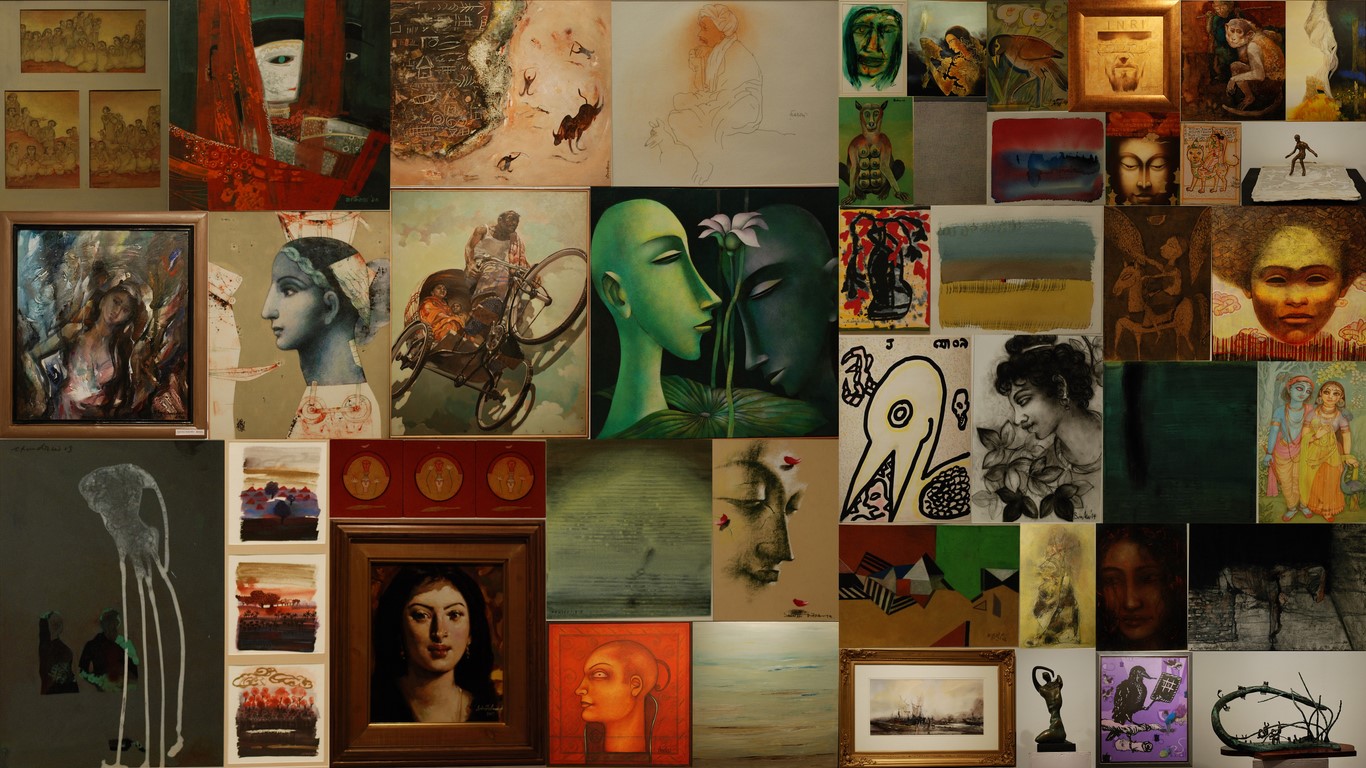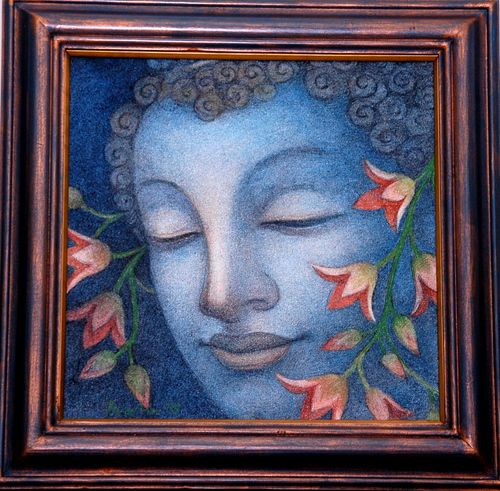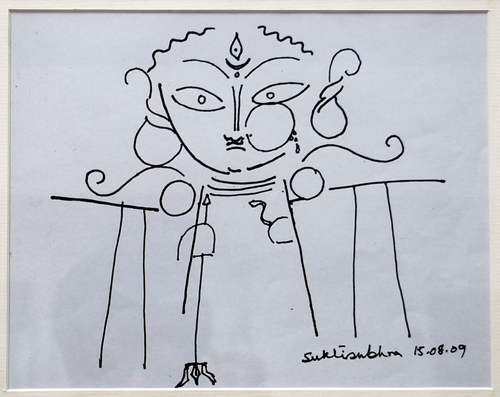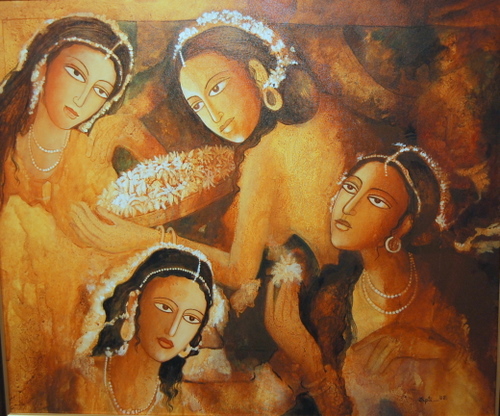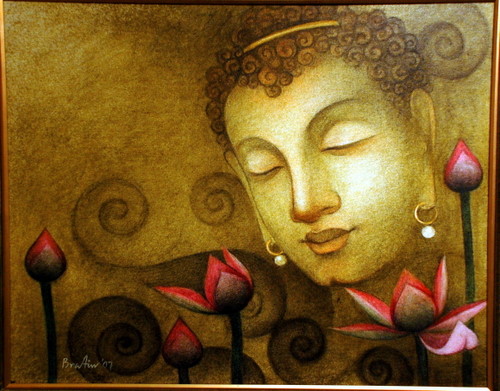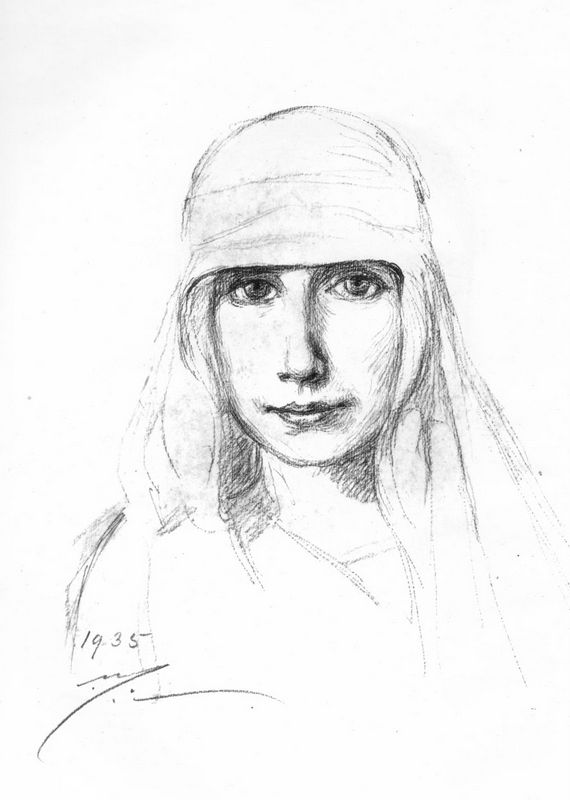
Sri Aurobindo - Place of art in the evolution of the race...
|
We now come to the kernel of the subject, the place of art in the evolution of the race and its
value in the education of and actual life of the nation. The first question is whether the sense
of the beautiful has any effect on the life of the nation. It is obvious, from what we have already
written, that the manners, the social culture and the restraint in action and expression which are
so large a part of national prestige and dignity and make a nation admired like the French, loved like
the Irish or respected like the higher-class English, are based essentially on the sense of form
and beauty, of what is correct, symmetrical, well-adjusted and fair to the eye and pleasing to the
imagination. The absence of these qualities is a source of national weakness...The mind is profoundly
influenced by what it sees and, if the eye is trained from the days of childhood to the contemplation
and understanding of beauty, harmony and just arrangement in line and colour, the tastes, habits
and character will be insensibly trained to follow a similar law of beauty, harmony and just
arrangement in the life of adult man. This was the great importance of the universal proficiency in
the arts and crafts or the appreciation of them which was prevalent in ancient Greece, in certain
European ages, in Japan and in the better days of our own history. Art galleries cannot be brought
into every home, but, if all the appointments of our life and furniture of our homes are things of
taste and beauty, it is inevitable that the habits, thoughts and feelings of the people should be
raised, ennobled, harmonised, made more sweet and dignified.
|
Sri Aurobindo - ..music, art and poetry are a perfect education for the soul...
|
A similar result is produced on the emotions by the study of the beautiful or noble art. We have spoken
of the purification of the heart, the cittasuddhi, which Aristotle assigned as the essential office
of poetry, and have pointed out that it is done in poetry by the detached and disinterested enjoyment
of the eight rasas or forms of emotional aestheticism which make up life unalloyed by the disturbance
of the lower self-regarding passions. Painting and sculpture work in the same direction by different
means. Art sometimes uses the same means as poetry but cannot do it to the same extent because it
has not the movement of poetry; it is fixed, still, it expresses only a given moment, a given point
in space and cannot move freely through time and region. But it is precisely this stillness, this
calm, this fixity which gives its separate value to Art. Poetry raises the emotions and gives each
its separate delight. Art stills the emotions and teaches them the delight of a restrained and
limited satisfaction, - this indeed was the characteristic that the Greeks, a nation of artists
far more artistic than poetic, tried to bring into their poetry. Music deepens the emotions and
harmonises them with each other. Between them music, art and poetry are a perfect education for the
soul; they make and keeps its movements purified, self-controlled, deep and harmonious. These,
therefore, are agents which cannot be profitably neglected by humanity on its onward march or
degraded to the mere satisfaction of the sensuous pleasure which will disintegrate rather than
build the character. They are, when properly used, great educating, edifying and civilising forces.
|
|
Sri Aurobindo - ..use of Art...
|
The first and lowest use of Art is the purely aesthetic, the second is the intellectual or
educative, the third and highest the spriritual. By speaking of the aesthetic use as the lowest,
we do not wish to imply that it is not of immense value to humanity, but simply to assign to it its
comparative value in relation to the higher uses.
|
Sri Aurobindo - ..purifying force...
|
The sense of pleasure and delight in the emotional aspects of life and action, this is the poetry
of life, just as the regulating and beautiful arrangement of character and action is the art of life.
We have seen how the latter purifies, but the purifying force of the former is still more potent
for good.
|
|
|
Sri Aurobindo - ..akhanda rasa...
The sense of the good and bad, beautiful and unbeautiful, which afflicts our understanding and our
senses, must be replaced by akhanda rasa, undifferentiated and unabridged delight in the
delightfulness of things, before the highest can be reached. On the way to this goal full use must
be made of the lower and abridged sense of beauty which seeks to replace the less beautiful by the
more, the lower by the higher, the mean by the noble.
At a certain stage of human development the aesthetic sense is of infinite value in this direction.
It raises and purifies conduct by instilling a distaste for the coarse desires and passions of the
savage, for the rough, uncouth and excessive in action and manner, and restraining both feeling
and action by a striving after the decent, the beautiful, the fit and seemly....
|
|
Sri Aurobindo - Value of art ...
|
The value of art in the training of intellectual faculty is also an important part of its utility.
We have already indicated the double character of intellectual activity, divided between the
imaginative, creative and sympathetic or comprehensive intellectual centres on the one side and the
critical, analytic and penetrative on the other. The latter are best trained by science, criticism and
observation, the former by art, poetry, music, literature and the sympathetic study of man and his creations.
These make the mind quick to grasp at a glance, subtle to distinguish shades, deep to reject shallow
self-sufficiency, mobile, delicate, swift, intuitive. Art assists in this training by raising images
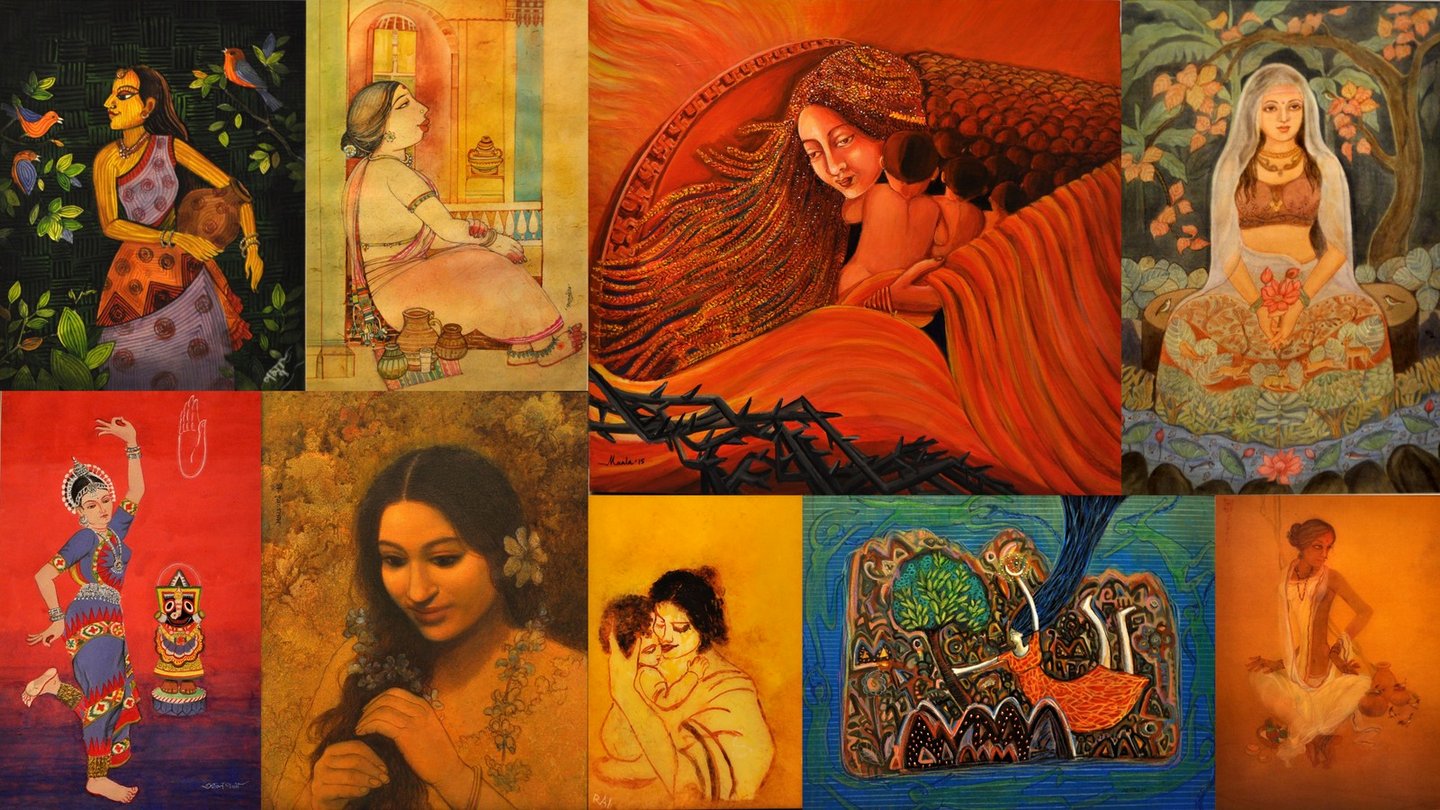
in the mind which it has to understand not by analysis, but by self-identification with other minds;
it is a powerful stimulator of sympathetic insight.
Art is subtle and delicate, and it makes the mind also in its movements subtle and delicate. It is suggestive, and the intellect habituated to the appreciation of art is quick to catch suggestions, mastering not only, as the scientific mind does, that which is positive and on the surface, but that which leads to ever fresh widening and subtilising of knowledge and opens a door into the deeper secrets of inner nature where the positive instruments of science cannot take the depth or measure. This supreme intellectual value of Art has never been sufficiently recognised.Men have made language, poetry, history, philosophy agents for the training of this side of intellectuality, necessary parts of a liberal education, but the immense educative force of music, painting and sculpture has not been duly recognised.
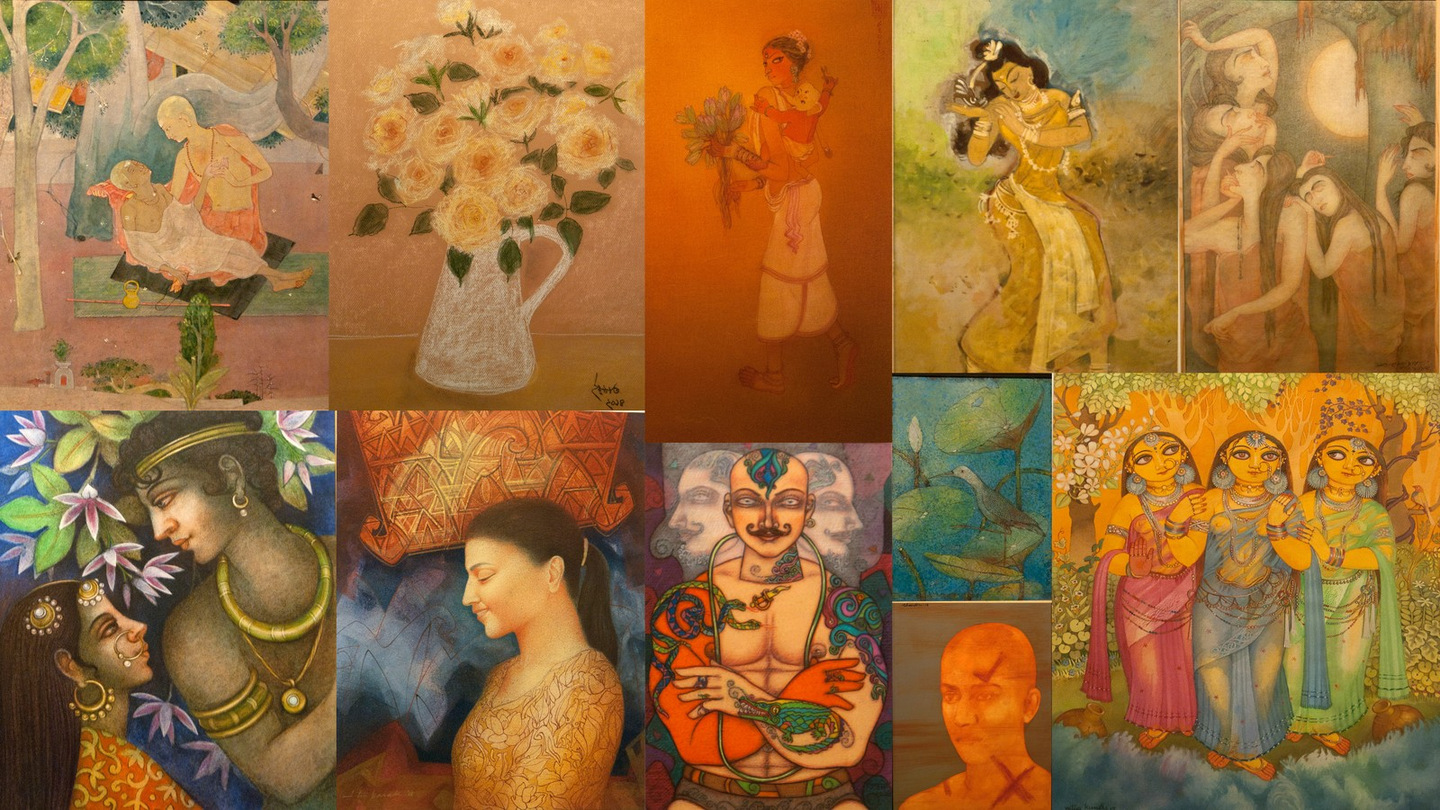
They have been thought to be by-paths of the human mind, beautiful and interesting, but not necessary,
therefore intended for the few. Yet the universal impulse to enjoy the beauty and attractiveness of
sound, to look at and live among pictures, colours, forms ought to have warned mankind of the
superficiality and ignorance of such a view of these eternal and important occupations of human mind.
The impulse, denied proper training and self-purification, has spent itself on the trivial, gaudy,
sensuous, cheap or vulgar instead of helping man upward by its powerful aid in the evocation of what is
best and highest in intellect as well as in character, emotion and the aesthetic enjoyment and regulation
of life and manners. It is difficult to appreciate the waste and detriment involved in the low and
debased level of enjoyment to which the artistic impulses are condemned in the majority of mankind.
|
Sri Aurobindo - ..service to the growth of spirituality...
|
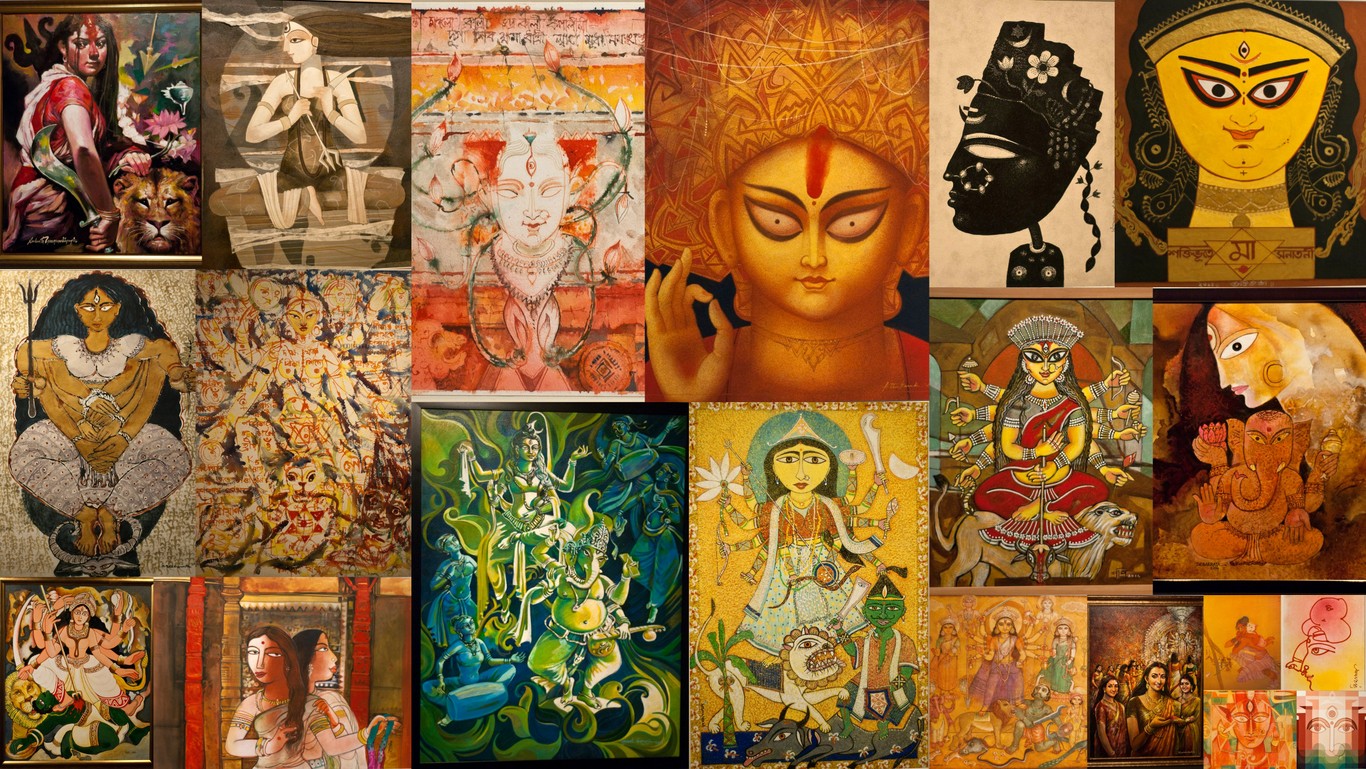
But beyond and above this intellectual utility of Art, there is a highest use, the noblest of all,
its service to the growth of spirituality in the race. European critics have dwelt on the close connection
of the highest developments of art with religion, and it is undoubtedly true that in Greece, in Italy,
in India, the greatest efflorescence of a national Art has been associated with the employment of the
artistic genius to illustrate or adorn the thoughts and fancies or the temples and instruments of the
national religion. This was not because Art is necessarily associated with the outward forms of
religion, but because it was in the religion that men's spiritual aspirations centered themselves.
Spirituality is a wider thing than formal religion and it is in the service of spirituality that Art
reaches its highest self-expression. Spirituality is a single word expressive of three lines of
human aspiration towards divine knowledge, divine love and joy, divine strength, and that will be the
highest and most perfect Art which, while satisfying the physical requirements of the aesthetic sense,
the laws of formal beauty, the emotional demand of humanity, the portrayal of life and outward reality,
as the best European Art satisfies these requirements, reaches beyond them and expresses inner spiritual
truth, the deeper not obvious reality of things, the joy of God in the world and its beauty and
desirableness and the manifestation of divine force and energy in phenomenal creation. This is what
Indian Art alone attempted thoroughly and in the effort it often dispensed, either deliberately or
from impatience, with the lower, yet not negligible perfections which the more material European
demanded. Therefore Art has flowed in two separate streams in Europe and Asia, so diverse that it is
only now that the European aesthetic sense has so far trained itself as to begin to appreciate the
artistic conventions, aims and traditions of Asia. Asia's future development will unite these two
streams in one deep and grandiose flood of artistic self-expression perfecting the aesthetic evolution
of humanity.
|
Sri Aurobindo - Art can express eternal truth...
|
But if Art is to reach towards the highest, the Indian tendency must dominate. The spirit is that in
which all the rest of the human being reposes, towards which it returns and the final self-revelation of
which is the goal of humanity. Man becomes God, and all human activity reaches its highest and noblest
when it succeeds in bringing body, heart and mind into touch with spirit. Art can express eternal
truth, it is not limited to the expression of form and appearance. So wonderfully has God made the
world that a man using a simple combination of lines, an unpretentious harmony of colours, can
raise this apparently insignificant medium to suggest absolute and profound truths with a perfection
which language labours with difficulty to reach. What Nature is, what God is, what man is can be
triumphantly revealed in stone or on canvas.
|
Sri Aurobindo - ..loftiest function of art, its fullest consummation ...
|
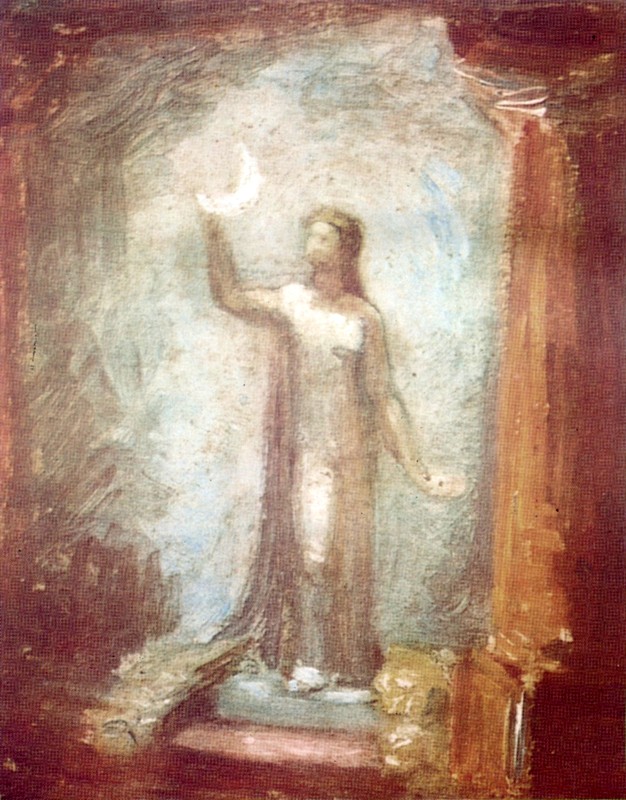
Behind a few figures, a few trees and rocks the supreme Intelligence, the supreme Imagination, the
supreme Energy lurks, acts, feels, is, and, if the artist has the spiritual vision, he can see it
and suggest perfectly the great mysterious Life in its manifestations brooding in action, active in
thought, energetic in stillness, creative in repose, full of a mastering intention in that which
appears blind and unconscious. The great truths of religion, science, metaphysics, life, development,
become concrete, emotional, universally intelligible and convincing in the hands of the master of
plastic Art, and the soul of man, in the stage when it is rising from emotions to intellect, looks,
receives the suggestion and is uplifted towards a higher development, a diviner knowledge.
So it is with the divine love and joy which pulsates throughout existence and is far superior to
alloyed earthly pleasure. Catholic, perfect, unmixed with repulsion, radiating through all things,
the common no less than the high, the mean and shabby no less than the lofty and splendid, the
terrible and the replusive no less than the charming and attractive, it uplifts all, purifies all,
turns all to love and delight and beauty. A little of this immortal nectar poured into a man's heart
transfigures life and action. The whole flood of it pouring in would lift mankind to God. This too
Art can seize on and suggest to the human soul, aiding in its stormy and toilsome pilgrimage. In that
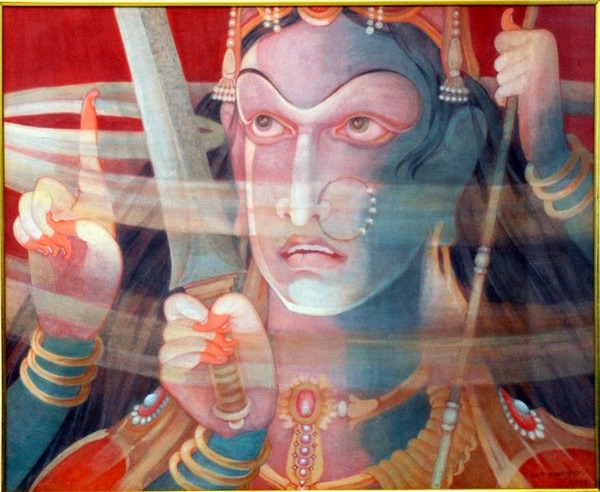
pilgrimage it is the divine strength that supports. Sakti, Force, pouring through the universe
supports its boundless activities, the frail and tremulous life of the rose no less than the flaming
motions of sun and star. To suggest the strength and virile unconquerable force of the divine Nature
in man and in the outside world, its energy, its calm, its powerful inspiration, its august
enthusiasm, its wildness, greatness, attractiveness, to breathe that into man's soul and gradually
mould the finite into the image of the Infinite is another spiritual utility of Art. This is its loftiest
function, its fullest consummation, its most perfect privilege.
|
Sri Aurobindo - ..enormous value of Art...
|
The enormous value of Art to human evolution has been made sufficiently apparent from the analysis,
incomplete in itself, which we have attempted. We have also incidently pointed out its value as a factor
in education. It is obvious that no nation can afford to neglect an element of such high importance
to the culture of its people or the training of some of the higher intellectual, moral and aesthetic
faculties in the young. The system of education which, instead of keeping artistic training apart as
a privilege for a few specialists, frankly introduces it as a part of culture no less necessary than
literature or science, will have taken a great step forward in the perfection of national education
and the general diffusion of a broad-based human culture. It is not necessary that every man should be
an artist. It is necessary that every man should have his artistic faculty developed, his taste trained,
his sense of beauty and insight into form and colour and that which is expressed in form and colour,
made habitually active, correct and sensitive. It is necessary that those who create, whether in great
things or small, whether in the unusual masterpieces of art and genius or in the small common things
of use that surround a man's daily life, should be habituated to produce and the nation habituated to
expect the beautiful in preference to the ugly, the noble in preference to the vulgar, the fine in
preference to the crude, the harmonious in preference to the gaudy. A nation surrounded daily by the
beautiful, noble, fine and harmonious becomes that which it is habituated to contemplate and realises
the fulness of the expanding spirit in itself.
|
Sri Aurobindo - Art for Art's sake?
Art for art's sake? But what after all is meant by this slogan and what is the real issue behind it?
It is meant, as I think it was when the slogan first came into use, that the technique, the artistry
is all in all? The contention would then be that it does not matter what you write or paint or sculpt
or what music you make or about what you make it so long as it is beautiful writing, competent painting,
good sculpture, fine music. It is very evidently true in a certain sense, - in this sense that whatever
is perfectly expressed or represented or interpreted under the conditions of a given art proves itself
by that very fact to be legitimate material for the artist's labour...
But then the theory itself is true only up to a certain point. The technique is only a means of
expression; one does not write merely to use beautiful words or paint for the sole sake of line and
colour; there is something that one is trying through these means to express or to discover. What is
that something? The first answer would be - it is the creation, it is the discovery of Beauty. Art is
for that alone and can be judged only by its revelation or discovery of Beauty. Whatever is capable
of being manifested as Beauty is the material of the artist. But there is not only physical beauty in
the world - there is moral, intellectual, spiritual beauty also. Still one might say that Art for Art's
sake means that only what is aesthetically beautiful must be expressed and all that contradicts the
aesthetic sense of beauty must be avoided. Art has nothing to do with Life in itself, things in
themselves, Good, Truth or the Divine for their own sake, but only in so far as they appeal to some
aesthetic sense of beauty, and that would seem to be a sound basis for excluding the Five Years' Plan,
a moral sermon or a philosophical treatise. But here, again, what after all is Beauty? How much is it
in the thing itself and how much in the consciousness that perceives it? Is not the eye of the artist
constantly catching some element of aesthetic value in the plain, the ugly, the sordid, the repellant
and triumphantly conveying it through his material, - through the word, through line and colour,
through the sculptured shape?...
What the artist sees, is there - his is a transmuting vision because it is a revealing vision; he
discovers behind what the object appears to be, the something More it is. And so from this point of
view of a realised supreme harmony all is or can be subject-matter for the artist because in all he
can discover and reveal the Beauty that is everywhere. Again, we land ourselves in a devastating
catholicity; for here too one cannot pull up short at any given line. It may be a hard saying that one
must or may discover and reveal beauty in a pig or its poke or in a parish pump or an advertisement
of somebody's pills, and yet something like that seems to be what modern Art and Literature are
trying with vigour and conscientious labour to do. By extension one ought to be able to extract
beauty equally well out of morality or social reform or a political caucus or allow at least that all
these things can, if he wills, become legitimate subjects for the artist. Here, too, one cannot
say that it is on condition he thinks of beauty only and does not make moralising or social reform
or a political idea his main object. For if with that idea foremost in his mind he still produces a great work of art,
discovering Beauty as he moves to his aim, proving himself in spite of ...(continued below)
|
Sri Aurobindo - Art for Art's sake? (continued from above..)
....his unaesthetic preoccupations a great artist, it is all we can justly ask from him, whatever his starting-
point, to be a creator of Beauty. Art is discovery and reveleation of Beauty, and we can say nothing
more by way of prohibitive or limiting rule.
But there is one thing more that can be said, and that makes a big difference. In the Yogin's vision
of universal beauty, all becomes beautiful, but all is not reduced to a single level. There are
gradations, there is a hierarchy in this All-Beauty and we see that it depends on the ascending
power (Vibhuti) of Consciousness and Ananda that expresses itself in the object. All is the Divine,
but somethings are more divine than others. In the artist's vision too there are or can be gradations,
a hierarchy of values...
And that is because just as technique is not all, so even Beauty is not all in Art. Art is not only
technique or form of Beauty, not only the discovery or the expression of Beauty - it is a self-expression
of Consciousness under the conditions of aesthetic vision and a perfect execution. Or, to put it
otherwise, there are not only aesthetic values, but life-values, mind-values, soul-values that enter
into Art. The artist puts out into form not only the powers of his own consciousness, but the powers
of the Consciousness that has made the worlds and their objects. And if that Consciousness according
to the Vedantic view is fundamentally equal everywhere, it is still in manifestation not an equal power
in all things...
There is something here that goes beyond any consideration of Art for Art's sake or Art for Beauty's
sake; for while these stress usefully sometimes the indispensable first elements of artistic creation,
they would limit too much the creation itself if they stood for the exclusion of the something More
that compels Art to change always in its constant seeking for more and more that must be expressed of
the concealed or the revealed Divine, of the individual and universal or the transcendent Spirit.
If we take these three elements as making the whole of Art, perfection of expressive form, discovery
of beauty, revelation of the soul and essence of things and the powers of creative consciousness and
Ananda of which they are the vehicles, then we shall get perhaps a solution which includes the two sides
of the controversy and reconciles their difference. Art for Art's sake certainly; Art as a perfect form
and discovery of Beauty; but also Art for the soul's sake, the spirit's sake and the expression of
all that the soul, the spirit wants to seize through the medium of beauty. In that self-expression
there are grades and hierarchies, widenings and steps that lead to the summits. And not only to enlarge
Art towards the widest wideness but to ascend with it to the heights that climb towards the Highest
is and must be part both of our aesthetic and our spiritual endeavour.
|
Sri Aurobindo - ..Art and critics...
All is relative here, Art and Beauty also, and our view of things and our appreciation of them
depends on the consciousness which views and appreciates. Some critics recognise this and go in
frankly for a purely subjective criticism -" this is why I like this and disapprove of that, I give
my own values". Most labour to fit their personal likes and dislikes to some standard of criticism
which they conceive to be objective; this need of objectivity, of the support of an impersonal truth
independent of our personality or any body else's, is the main source of theories, canons, standards
of art. But the theories, canons, standards themselves vary and are set up in one age only to be broken
in another. Is there then no beauty of art independent of our varying mentalities? Is beauty a creation
of our minds, a construction of our ideas and our senses, not at all existent in itself? In that
case Beauty is non-existent in Nature, it is put upon Nature by our minds through mental imposition,
adhyaropa. But this contradicts the fact that there is in response to an object and not independently
of it that the idea of beautiful or not beautiful originally rises within us. Beauty does exist in
what we see, but there are two aspects of it, essential beauty and the forms it takes. "Eternal beauty
wandering on her way" does that wandering by a multitudinous variation of consciousness. There comes
in the difficulty. Each individual consciousness tries to seize the eternal beauty expressed in a form
(here a particular poem or work of art), but is either assisted by the form or repelled by it, wholly
attracted or wholly repelled, or partially attracted and partially repelled. There may be errors in
the poet's or artist's transcription of beauty which mar the reception, but even these have different
effects on different people. But the more radical divergences arise from the variation in the
constitution of the mind and its difference of response. Moreover, there are minds, the majority indeed,
who do not respond to "artistic" beauty at all - something inartistic appeals much more to what sense
of beauty they have - or else they are not seeking beauty, but only vital pleasure.
A critic cannot escape altogether from these limitations. He can try to make himself catholic and
objective and find the merit or special character of all he reads or sees in poetry and art, even
when they do not evoke his strongest sympathy or deepest response..
All this, however, does not mean that criticism is without any true use. The critic can help to
open the mind to the kinds of beauty he himself sees and not only to discover but to appreciate
at their full value certain elements that make them beautiful or give them what is most
chracteristic or unique in their peculiar beauty.
|
|
|
|